

Treatment Preparation
General Pest Treatment (Internal + External)
A broad household treatment for common pests such as ants, cockroaches, spiders, silverfish and other crawling insects. Includes key indoor harbourage areas and an external perimeter barrier.
Preparation
Clear benches and floors in the areas you want treated (especially kitchen, laundry and bathrooms).
Move small items off skirting boards and windowsills so we can get close to edges and corners.
If safe to do so, pull furniture 30–50 cm off walls in problem rooms (or at least clear access to skirtings).
Vacuum/sweep before we arrive. A clean surface helps products bond and reduces dust interference.
Secure pets (including birds) and organise children to be out of the way while we work.
Cover or turn off fish tanks and remove pet bowls from areas being treated (we will remind you on-site).
Let us know if anyone in the home has asthma, allergies, is pregnant, or if there are sensitive areas we should avoid.
What to expect
We will do a quick walk-through and confirm the pest issues, high-activity areas and any access limitations.
Treatment time is usually 30–60 minutes for an average home, depending on size and access.
You may notice a mild odour during and shortly after treatment. Ventilation usually clears this quickly.
You may see increased pest activity for a short period as insects move through treated areas.
Results are typically noticeable within days, but some pests can take longer depending on breeding cycles and conditions.
Our process
Inspection and risk check (where pests are active, entry points, moisture/food sources).
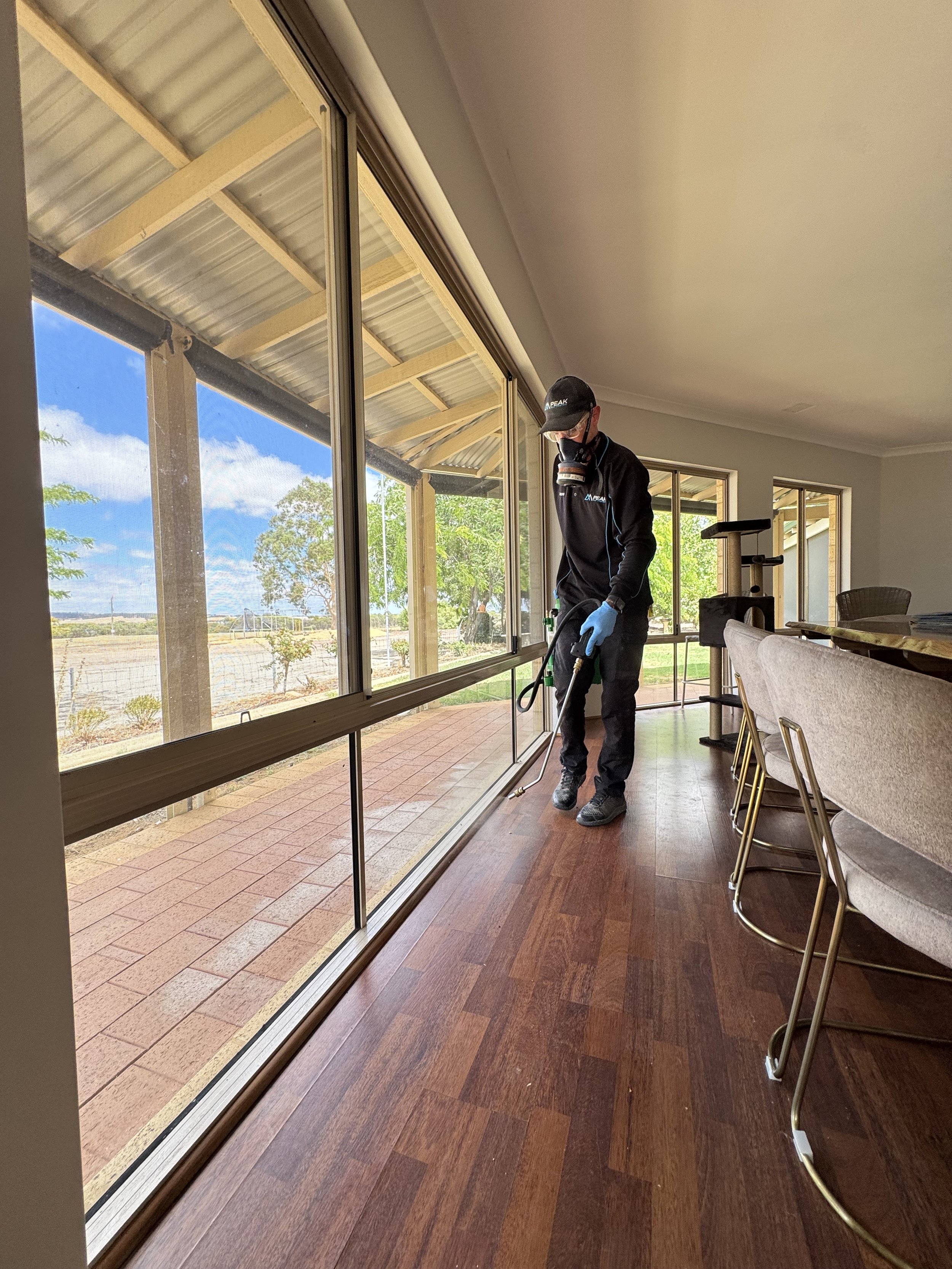
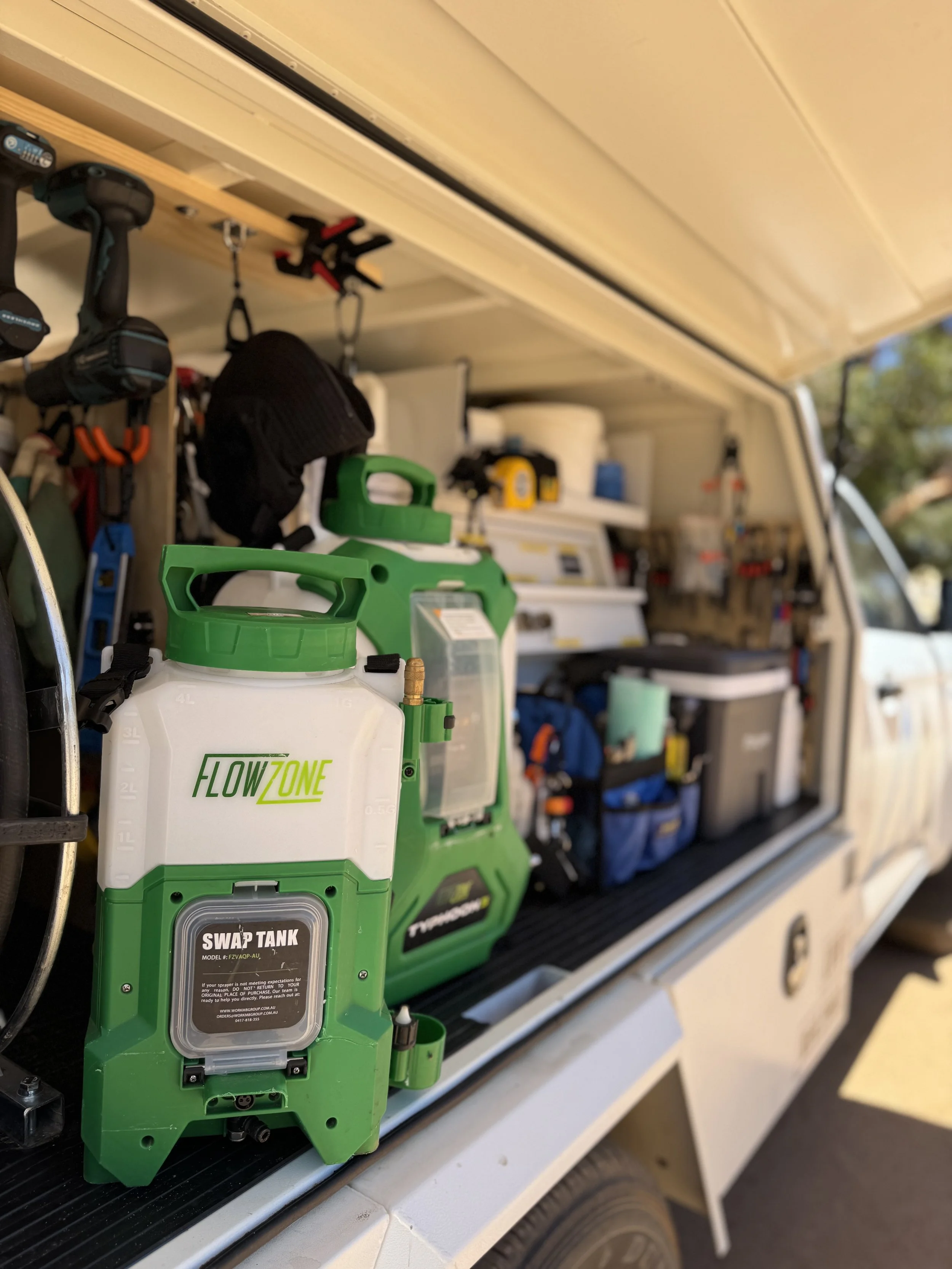
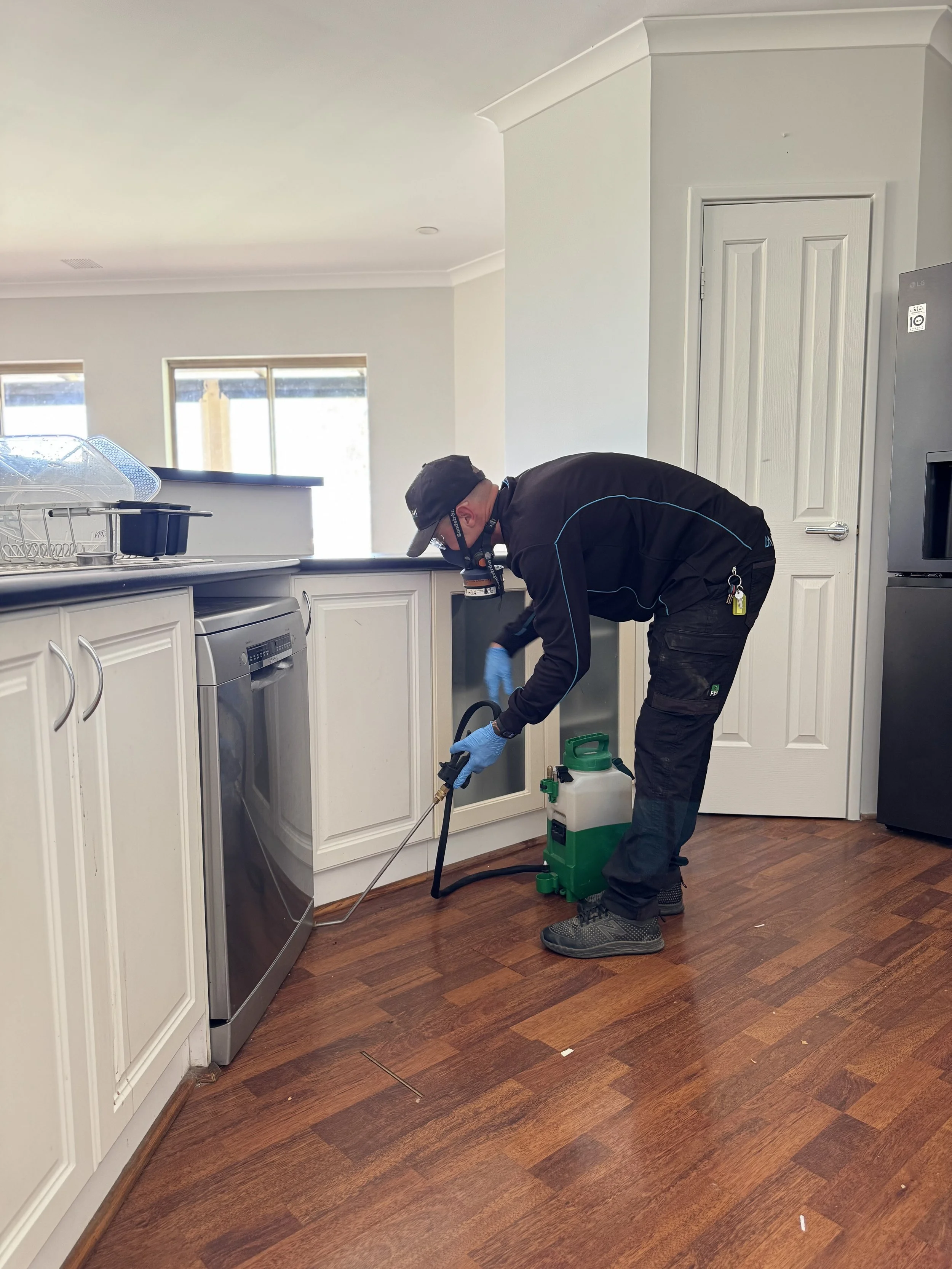
Targeted treatment to indoor harbourage areas (skirtings, cracks/crevices, under sinks and other hotspots as appropriate).
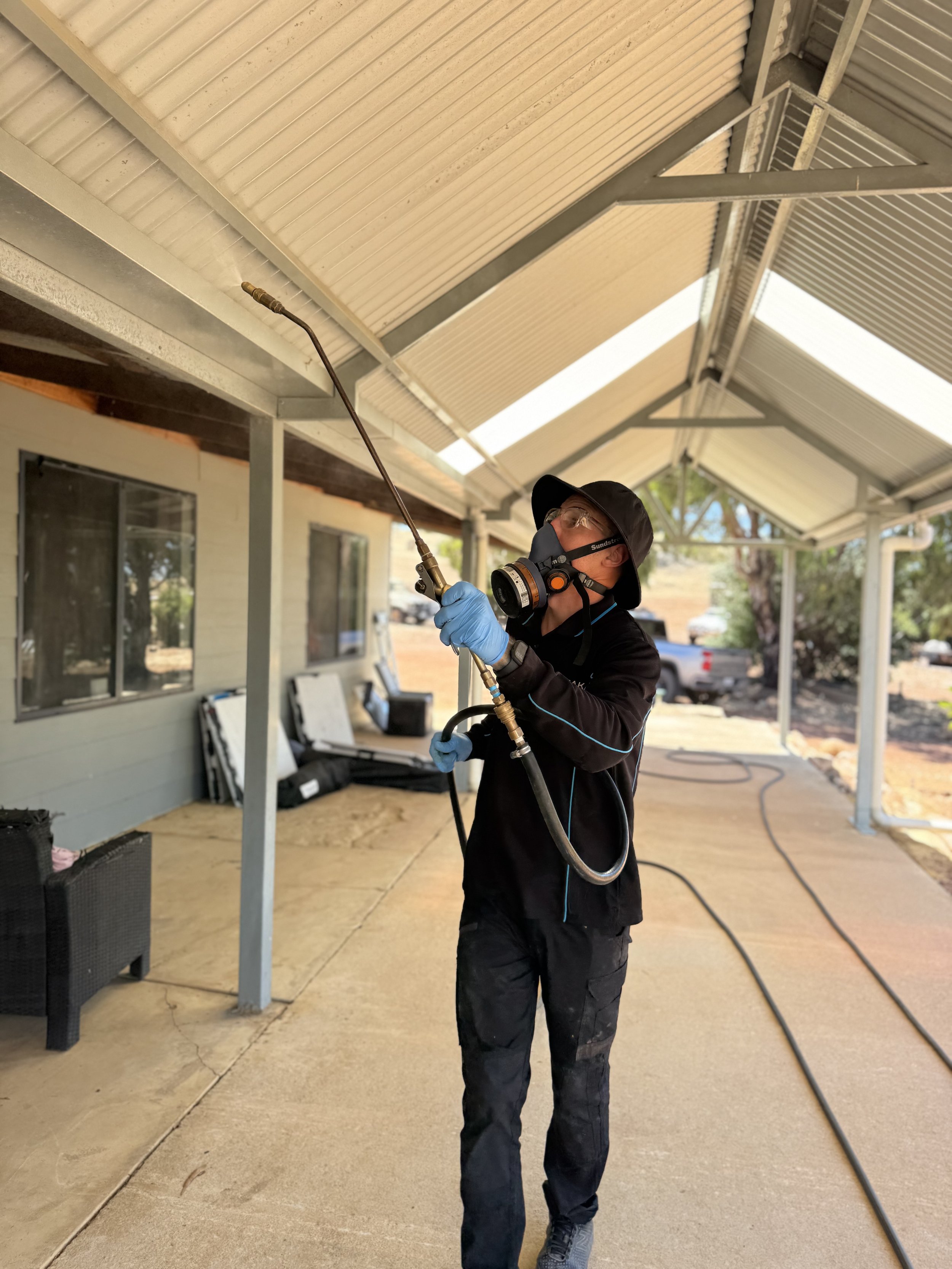
External perimeter treatment to likely entry points (doors, weep holes, around the base of walls and other risk zones as appropriate).
Advice on what is driving activity (food/moisture sources, clutter, garden contact points) and how to reduce re-infestation.
After-care
Stay out of treated areas until surfaces are dry, unless our technician tells you otherwise.
Ventilate the home after treatment (open windows/doors where practical).
Avoid mopping or wiping treated skirtings/edges for 24–48 hours so the treatment can keep working.
If you must clean, focus on the centre of floors and high-touch areas; leave edges and corners alone for a couple of days.
Continue good hygiene: wipe spills quickly, store food sealed, empty bins regularly.
If activity persists after the expected timeframe, contact us so we can advise next steps.
FAQs
-
Internal treatment: Yes. For an internal spray, everyone (including pets) needs to leave the home while we treat inside. You can return once the treated areas are fully dry and the house has been ventilated — we’ll confirm the exact re-entry time on the day.
External-only treatment: No, you don’t need to leave. However, we do require no people, pets, or kids outside while we’re spraying. Please keep doors/windows closed and keep everyone off treated areas until they’re dry.
-
No. Most treatments work over time. You may see pests for a short period as they move through treated areas.
Ant Treatment (Heavy Activity / Nest-Focused)
A targeted ant treatment focused on the species present, high-traffic trails and likely nesting areas, inside and/or outside the property.
Preparation
Do not spray household insect sprays on ant trails for 3–5 days before your booking (this can interfere with the treatment strategy).
If possible, note where you are seeing ants most (kitchen bench, pantry, bathroom, garden beds) so you can show us quickly.
Clear benchtops and pantry floors so we can inspect and treat key areas safely.
Seal food in containers and clean up crumbs/spills before we arrive.
Keep pets away from any feeding areas and remove pet food bowls from the treatment zone.
If ants are in multiple rooms, reduce clutter along walls and in corners to improve access.
What to expect
We will identify the ant activity and likely entry points, and may ask where you have seen trails at different times of day.
Treatment time is usually 30–60 minutes depending on the size of the issue and whether we treat indoors, outdoors or both.
You may see ants increase briefly as colonies adjust. This is normal with many control methods.
Some ant problems need follow-up, especially if there are multiple nests, heavy rainfall, or nearby garden sources.
Our process
Inspection and identification (as best as possible from activity, trails and nesting signs).
Targeted control along trails and harbourage zones, with a focus on breaking the foraging cycle.
External checks for nests or nesting conditions (mulch, pavers, garden edging, wall void entry points).
Practical advice: sealing entry points, moisture control, and food storage changes that reduce ant pressure.
After-care
Avoid washing treated areas (edges, corners, trail zones) for 24–48 hours unless advised otherwise.
Keep food sealed and benches clean to reduce alternative feeding sources.
Do not apply household sprays on treated trails unless we tell you to.
Report back if you are still seeing ants after the expected timeframe; we may adjust the approach or schedule a follow-up.
FAQs
-
You can see more movement short-term while the colony is disrupted. This usually settles as the control method takes effect.
-
Avoid DIY that can push ants deeper or split colonies. Let us assess and recommend the best approach for the species and location
Cockroach Treatment
A targeted cockroach treatment for kitchens, laundries and bathrooms, focusing on harbourage zones and breeding areas to reduce activity and re-infestation.
Preparation
Clear kitchen benches, under-sink cupboards and pantry floors where possible.
Empty the space under the kitchen sink (and under bathroom vanity) so we can inspect and treat safely.
Clean up grease and food residue (especially around ovens, fridges and microwaves).
If safe to do so, pull the fridge and dishwasher forward slightly so we can access behind/under (or let us know if this is not possible).
Fix or note any leaks (dripping taps, leaking dishwasher) - moisture is a major driver for cockroaches.
Secure pets and remove pet bowls from the kitchen/laundry areas during treatment.
What to expect
We will focus on the areas cockroaches prefer: warm, damp, food-adjacent spaces.
Treatment time is usually 30–60 minutes depending on access.
You may see cockroaches moving around more for a short period after treatment.
Heavier infestations often improve in stages over 1–3 weeks, and may require a follow-up visit.
Our process
Inspection of likely harbourage zones (behind/under appliances, inside cupboards, around plumbing penetrations).
Targeted treatment to cracks/crevices and hotspots (as appropriate to the site).
Advice on sanitation and exclusion: sealing gaps, reducing moisture, and improving storage/cleaning habits.
After-care
Avoid deep cleaning treated edges/harbourage areas for 24–48 hours unless advised otherwise.
Keep benches wiped and floors clean, but do not scrub inside corners or behind appliances immediately after treatment.
Reduce moisture where possible (fix leaks, dry sinks overnight).
If you see persistent activity after the expected timeframe, contact us for next steps.
FAQs
-
Sometimes, but heavy infestations can take time and may need follow-up depending on harbourage access and breeding pressure.
Flea Treatment (Indoor)
An indoor flea treatment aimed at breaking the flea life cycle in carpets, rugs and pet-resting areas. Best results come from combining treatment with proper vacuuming and pet care.
Preparation
IMPORTANT: Arrange pet flea treatment with your vet or pet shop product on the same day (we do not treat animals).
Vacuum carpets, rugs and upholstered furniture thoroughly before we arrive - especially along edges and under furniture.
Wash pet bedding, throws and removable covers in hot water where fabric allows, then dry thoroughly.
Pick up clothing, toys and loose items from floors so we can treat the carpet surface properly.
Move furniture slightly to allow access to carpet edges where possible.
Secure pets off-site or in an untreated area during treatment.
What to expect
Flea issues often improve in stages because eggs and pupae can hatch after the initial visit.
You may still see fleas for 1–2 weeks as the life cycle is interrupted.
Vacuuming after treatment is a key part of success; we will give you a schedule.
Some properties require a follow-up depending on infestation level and whether pets are treated correctly.
Bed Bug Treatment
Bed bug treatments require preparation. We’ll send a prep checklist before your booking — it’s important this is completed so the treatment works properly.
Preparation is critical. If prep is not completed, results can be reduced and the visit may need to be rescheduled.
Preparation
Do not move items from infested rooms to clean rooms unless they are sealed first (this can spread bed bugs).
Strip beds: remove sheets, pillowcases, covers and place them straight into sealed bags.
Launder on the hottest safe wash/dry cycle for the fabric (heat is key). Keep cleaned items sealed until after treatment.
Clear items from under beds and around bedheads so we can access edges and contact points.
If you have a wardrobe in the affected room, bag and seal clothing as advised (we can guide on the day based on severity).
Vacuum mattresses, bed frames and carpet edges. Empty vacuum contents into a sealed bag and dispose outside.
Advise us if you live in a multi-unit building (apartment/townhouse) so we can consider adjoining risks.
What to expect
Bed bug jobs can require more than one visit depending on severity and preparation quality.
You may still see activity for a short period after treatment; this can be normal as hidden bugs come into contact with treated zones.
We will give clear instructions on what you can and cannot do between visits.
Do not bring in second-hand furniture during the treatment period.
Our process
Inspection to confirm bed bug activity and map affected rooms and harbourage zones.
Targeted treatment to bed frames, skirting edges, cracks/crevices and other risk zones (method depends on the site and access).
Follow-up plan and monitoring advice. We may recommend mattress/box encasements and exclusion measures depending on the setup.
After-care
Follow the technician’s instructions exactly - bed bug control is process-driven.
Avoid moving bedding/clothes between rooms unless sealed.
Do not deep clean treated edges/harbourage zones for the advised period.
Continue hot-wash/hot-dry routine for linens as advised.
Report any bites/activity with dates and rooms so we can track patterns and adjust the plan.
FAQs
-
Sometimes it is not necessary and can spread bed bugs if moved through the house. Speak with us before disposing of items.
Rodent Control (Rats & Mice)
Rodent control using a mix of inspection, exclusion advice and control measures suited to the property, with safety considerations for children, pets and non-target animals.
Preparation
Clear access to roof manholes, subfloor access points, garage corners and shed areas where activity has been seen.
If you have pets, keep them secured during the visit and advise us of pet types (dogs, cats, birds, poultry).
Remove or secure food sources: pet food, bird seed, compost, chicken feed, and rubbish.
If you have noticed droppings, gnawing or noises, note where and when (night/early morning) to help our inspection.
Do not disturb suspected bait stations or traps if you have had previous rodent control done.
What to expect
We will inspect for entry points, rub marks, droppings, nesting material and food sources.
Some rodent problems resolve quickly; others take 1–3 weeks depending on pressure and access.
You may notice odour if a rodent dies in an inaccessible area. This is not common, but it can happen; we will discuss options if it occurs.
We may recommend proofing works (sealing gaps) as the long-term fix.
Our process
Inspection and identification (rat vs mouse indicators, entry points, harbourage zones).
Set up of control measures suitable for the site (e.g., secure stations/traps), placed to reduce risk to non-target animals.
Advice on proofing and hygiene: sealing gaps, door sweeps, mesh, tidy storage, and removing attractants.
Optional follow-up visit depending on activity and agreed service level.
After-care
Do not touch or move any stations/traps. Keep children and pets away.
Keep food sealed and maintain tidy storage to reduce reinfestation.
Report new activity signs (fresh droppings, noises, sightings) and where they are happening.
Complete recommended proofing as soon as practical - control without proofing often becomes an ongoing cycle.
FAQs
-
We use site-appropriate methods and placement to reduce risk, but pet safety is a shared responsibility. Tell us about all animals on-site so we can plan correctly.
Termite Inspection
A detailed termite inspection to look for signs of termite activity, conducive conditions and risk factors around the property.
Preparation
Ensure we can access the subfloor/underhouse entry if you have one (keys, gates, stored items moved).
Clear access to the roof space manhole if applicable.
Unlock side gates and provide access to the full perimeter of the building.
Move stored items away from external walls where possible (timber stacks, pots, boxes).
Let us know about any previous termite history or treatments, and where they occurred.
Have any building plans or previous inspection reports handy if available.
What to expect
A standard inspection often takes 60–90 minutes depending on property size, access and construction type.
We will check both inside and outside, including likely risk zones and timber-to-ground contact points.
In some homes, limited access (no subfloor access, tight roof spaces, heavy storage) can reduce what can be inspected. We will document limitations.
If activity is suspected, we will discuss the next steps and urgency.
Our process
External inspection for mudding, leads, damaged timber, moisture issues and entry points.
Internal inspection of risk areas (skirtings, wet areas, door frames, window frames, expansion joints).
Assessment of conducive conditions: drainage, garden beds against walls, leaking plumbing, timber contact.
Provide findings and practical risk reduction actions (and treatment options if required).
After-care
Address any recommended risk items (leaks, drainage, timber contact) to reduce termite pressure.
If termites are found or suspected, avoid disturbing the area and contact us promptly - disturbance can cause termites to move and make treatment harder.
Schedule ongoing inspections at a frequency suited to your risk profile and building type.
FAQs
-
Termites can be hidden. Inspections look for signs and risk factors, but access limits can affect certainty. We will document any limitations and recommend next steps.
Termite Treatment & Ongoing Management
A termite treatment and management plan tailored to your property, which may include localized treatment, baiting, or other methods depending on the site and termite behaviour.
Preparation
Do not disturb suspected termite workings (mud leads, damaged timber). Disturbance can cause termites to move and reduce treatment effectiveness.
Ensure clear access to the affected area(s) and the full external perimeter if required.
If drilling or installation work is planned, confirm access to power and that floors/edges are clear.
Unlock gates and secure pets away from work zones.
Have any previous termite reports or treatment history available.
What to expect
Termite management is rarely a one-visit ‘set and forget’ service. Monitoring and follow-up are usually part of the plan.
We will explain the treatment method proposed and what success looks like (timeframes vary).
Some treatments involve equipment noise, drilling, or installation of monitoring points depending on the method.
We will provide clear instructions on what you should and should not do during the management period.
Our process
Confirm termite activity and map affected zones (and likely entry pathways).
Implement the agreed treatment method suited to the site conditions and access.
Set up a monitoring schedule and document all installed points/areas treated.
Provide recommendations to reduce risk long-term (moisture control, timber contact removal, access to inspection zones).
After-care
Do not disturb installed monitoring points or stations.
Complete recommended property maintenance (leaks/drainage/garden adjustments) to support long-term control.
Keep scheduled follow-ups - monitoring is part of success.
Contact us immediately if you notice new termite signs (mudding, hollow timber, tight doors, fresh damage).
FAQs
-
It depends on the site and method. We will set expectations on the day and explain what monitoring looks like.
Wasp Nest Removal
Safe removal/control of wasp nests located on buildings, fences, trees or other structures, with a focus on minimising sting risk.
Preparation
Identify the nest location if you can, but do not approach it closely.
Keep children and pets indoors or well away from the area before we arrive.
Close nearby windows and doors in the treatment zone.
Avoid mowing, whipper snipping or loud vibration near the nest on the day of treatment.
Let us know if anyone has a known severe allergy to stings.
What to expect
We will assess the nest location and safest approach before starting.
You may need to keep clear of the area during and shortly after treatment.
Some nests require a return visit depending on size and activity.
You may still see wasps returning for a short period after treatment as foragers come back.
Our process
Site safety assessment and confirmation of nest location and access.
Targeted nest control/removal approach suited to the nest type and location.
Advice on preventing re-nesting (sealing entry points, managing sheltered voids, monitoring high-risk spots).
After-care
Keep away from the nest area for the period advised by the technician.
Do not knock down or hose the nest immediately unless instructed.
Monitor the area over the next few days; contact us if you still see strong activity after the advised timeframe.
FAQs
-
DIY spraying often increases sting risk and can make nests more aggressive. It is safer to keep clear and let a technician handle it.
Mosquito & Outdoor Biting Insect Treatment
An outdoor treatment aimed at reducing mosquito resting areas and breeding pressure around the home. Best results come from removing standing water and managing vegetation.
Preparation
Tip out standing water where possible: buckets, pot plant saucers, tarps, old tyres, blocked gutters.
Clear access to garden beds, shaded corners, and under-deck areas where mosquitoes rest.
Trim dense vegetation near doors and entertaining areas if practical.
Secure pets away from the yard while we work.
What to expect
Outdoor treatments help reduce numbers but are influenced by weather, nearby breeding sites, and seasonal pressure.
You may notice improvement within days, but results vary with rainfall and surrounding conditions.
We may recommend a repeat schedule during peak season for best control.
Our process
Identify likely breeding and resting zones around the property.
Targeted treatment to key outdoor harbourage areas (as appropriate).
Advice on breeding source reduction and ongoing yard maintenance.
After-care
Keep people and pets out of treated outdoor areas until dry.
Continue removing standing water weekly.
Use personal protection (repellents, screens) during peak mosquito times as an extra layer.
Contact us if you want a seasonal treatment plan.
FAQs
-
No. It reduces pressure on your property, but mosquitoes can travel from nearby breeding sites. Source reduction is the biggest factor.
End of Lease / Vacate Pest Treatment
A vacate pest treatment commonly booked for rentals. Usually covers a general household pest treatment, and may include fleas if required by your lease or property manager.
Preparation
The property should be empty of personal belongings (or as close as possible) so we can access skirtings and corners.
Power and water must be connected on the day.
All rooms must be accessible: bedrooms, bathrooms, laundry, garage, alfresco and store rooms as applicable.
If flea treatment is included: carpets should be vacuumed and pet bedding removed.
Please tell us if there are any alarm codes, gate codes or access instructions.
Let us know if the property has pets currently or recently (flea risk).
What to expect
We complete the agreed treatment and provide documentation/receipt suitable for property managers where applicable.
Time on-site varies with property size; typically 30–90 minutes.
If the home is not accessible or not ready, it can delay the job and may require rebooking.
Our process
Quick inspection and confirmation of what’s included (general pests only vs general + fleas).
Targeted treatment to internal edges and key harbourage areas, and external perimeter where included.
Documentation provided after completion as agreed.
After-care
Do not mop/wipe treated edges for 24–48 hours unless advised.
If flea treatment was included, follow the vacuum schedule advised.
Keep the property ventilated where possible.
If your agent has questions about the treatment, ask them to contact us directly.
FAQs
-
We provide a service record/receipt and treatment notes. If your agent requires specific wording, send it through before the booking
Important notes:
All treatments are carried out by trained/licensed technicians. We will confirm the safest approach on the day based on the site, access and the pest activity.
Timeframes and results vary depending on pest pressure, weather, hygiene, clutter, access and surrounding conditions.